
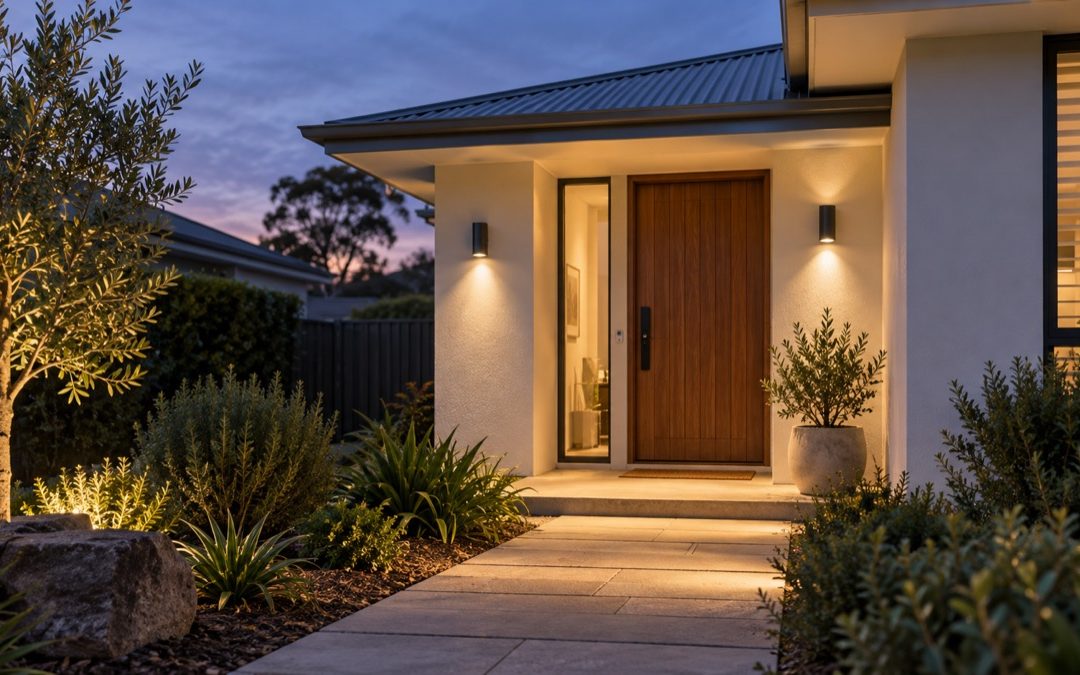
Coming home after dark should not mean searching for your keys in a shadow or switching on a floodlight that lights up the neighbour’s bedroom. Outdoor lighting works best when each fitting has a clear purpose, whether that is finding the front door, using the patio or seeing a side path.
Before buying lights, speak with an electrician in North Lakes about the areas you want to improve. Deception Bay Electrical Services provides residential electrical services in North Lakes, including lighting and home upgrades. A practical plan helps the team understand how you use the property and assess suitable fittings, controls and installation requirements.
Start with the routes you use after dark
Think about a normal evening at home. You might walk from the driveway to the entrance, take rubbish to the bins or step outside to bring in washing. Identify the places where you hesitate because you cannot clearly see a change in level, a gate latch or the path ahead.
Make a short list of these locations before considering decorative effects. The entrance may need useful light around the lock and doorstep, while a narrow side passage may need light directed along the walking route. A patio has different needs again because people may sit there for longer periods.
Take photographs from ground level and note which existing fittings serve each area. Explain what is missing rather than simply asking for brighter lights everywhere. That gives your electrician a clearer problem to solve.
Separate everyday light from feature lighting
One large light does not necessarily serve every outdoor activity well. A bright fitting beside the back door may help you find the key but feel uncomfortable when you are sitting at the nearby table. A decorative garden light may look attractive without helping anyone see a step.
Consider separate functions: arrival, movement, outdoor dining and occasional tasks. For the patio, you may want comfortable general lighting with an independently controlled fitting near a preparation area. At the front of the house, a focused entrance light might be more useful than illuminating the whole facade.
Discuss how the lighting will look from inside the home too. A fitting aimed towards a living-room window can become distracting. Walk around the proposed locations with your electrician and explain where people sit, stand and look out.
Choose fittings for the actual exposure
A covered outdoor area is still an outdoor environment. Rain can blow under an eave, irrigation can reach a garden fitting, and some positions receive more direct weather exposure than others. Do not choose a light only because its colour matches the house.
Ask your electrician to confirm that each fitting is suitable for its location and intended use. Product instructions and weather protection matter, including the suitability of connections and associated equipment. An outdoor label is a starting point; the complete installation still needs to be appropriate for the conditions.
The Queensland Electrical Safety Office advises using equipment designed for its environment and following the manufacturer’s instructions. Keep indoor decorative lights indoors. Avoid running temporary electrical leads across walkways or through doors and windows where they can be damaged.
Make sensors useful rather than frustrating
A sensor light can be convenient when you arrive with shopping or walk down a side path. Its usefulness depends on what it detects, where the light falls and how long it stays on. A sensor pointing towards passing traffic or moving vegetation may activate more often than you expect.
Show the electrician the approach route and explain the intended trigger. For example, you may want the driveway light to come on before you reach the garage, while a patio light may be better under manual control during dinner.
Discuss settings and any manual override before the work is completed. Ask how to operate the controls and what to do if the light behaves unexpectedly. Keep the product information somewhere accessible so the household can use the system consistently.
Reduce glare and unwanted spill
Useful lighting lets people see the relevant area without having to look into an exposed bright source. Position, direction and shielding can be as important as output. A fitting that is comfortable when viewed from the driveway may be unpleasant from a chair on the patio.
Consider nearby homes, shared access and the street when planning the layout. Ask whether the proposed light can be directed towards your entrance or path, rather than across the boundary. Where practical, review the result after dark and raise any concerns with the installer.
Avoid treating a higher brightness figure as an automatic improvement. Explain the task and ask for suitable options. The aim is comfortable, purposeful light where you need it, with controls that let you turn off areas that are not being used.
Coordinate lighting with other outdoor work
If a patio, paving project or renovation is being planned, involve the electrician before surfaces are finished. The location of fittings, switches and cabling can affect the order of work. Early discussion also helps avoid placing a light where a new post, screen or door will obstruct it.
Give the team the broader project details, including plans from other trades and the likely access arrangements. For a rental property, identify the person who can approve the work and coordinate access with the occupant. For a townhouse or shared property, clarify any approval requirements before installation is arranged.
Do not open fittings, alter wiring or attempt a fixed lighting installation yourself. Deception Bay Electrical Services’ service range includes outdoor and security lighting, and the electrical work should be handled by a licensed electrician.
Prepare a clear lighting enquiry
A useful enquiry includes the property address, the areas involved and whether you are replacing existing lights or adding new ones. Include photographs taken safely from an accessible position, plus a brief description of what you want the lighting to do.
Mention any damaged fittings, water exposure or intermittent operation separately from the planned upgrade. Do not keep using visibly damaged equipment or investigate electrical faults yourself. The team can discuss the issue and arrange the appropriate assessment.
List priorities if the project may be completed in stages. Improving the entrance and side access first might be more useful than adding decorative garden lighting immediately. Ask what is included in the proposed work, which fittings are being supplied and whether any further assessment is needed before the scope can be confirmed.
Frequently asked questions
Can an indoor light be used under a covered patio?
Do not assume that cover makes an indoor fitting suitable outdoors. Ask the electrician to assess the location and select equipment intended for the conditions. Follow the manufacturer’s instructions for the light and its associated components.
Are sensor lights suitable for every outdoor area?
Not necessarily. They can be helpful on arrival routes, but a dining or entertaining area may benefit from manual control or a different arrangement. Explain how you use each space before choosing controls.
Can you add lighting near a pool?
Pool areas have specific electrical considerations. Discuss the location with a licensed electrician before buying or positioning equipment. Keep portable mains-powered appliances and extension leads away from the pool; a general garden-lighting plan should not be assumed suitable for that area.
Talk to a local electrician in North Lakes
For outdoor lighting that suits the way you use your home, contact Chris and Mark at Deception Bay Electrical Services. Call 0412 665 036 or send your enquiry with the property location, photographs and your priorities. The team can discuss the work and arrange the next step for your North Lakes home.